Client
Newbody
UX research case focused on sellers and administrators in Newbody’s sales portal
This project explored how sellers and administrators experience Newbody’s sales portal, and how a lack of shared user understanding affected decision-making. Through qualitative research, personas, and collaborative opportunity mapping, the work helped shift discussions from assumptions toward a clearer, user-centered direction.
This project explored how sellers and administrators experience Newbody’s sales portal, and how a lack of shared user understanding affected decision-making. Through qualitative research, personas, and collaborative opportunity mapping, the work helped shift discussions from assumptions toward a clearer, user-centered direction.
This project explored how sellers and administrators experience Newbody’s sales portal, and how a lack of shared user understanding affected decision-making. Through qualitative research, personas, and collaborative opportunity mapping, the work helped shift discussions from assumptions toward a clearer, user-centered direction.
Creating clarity before solutions
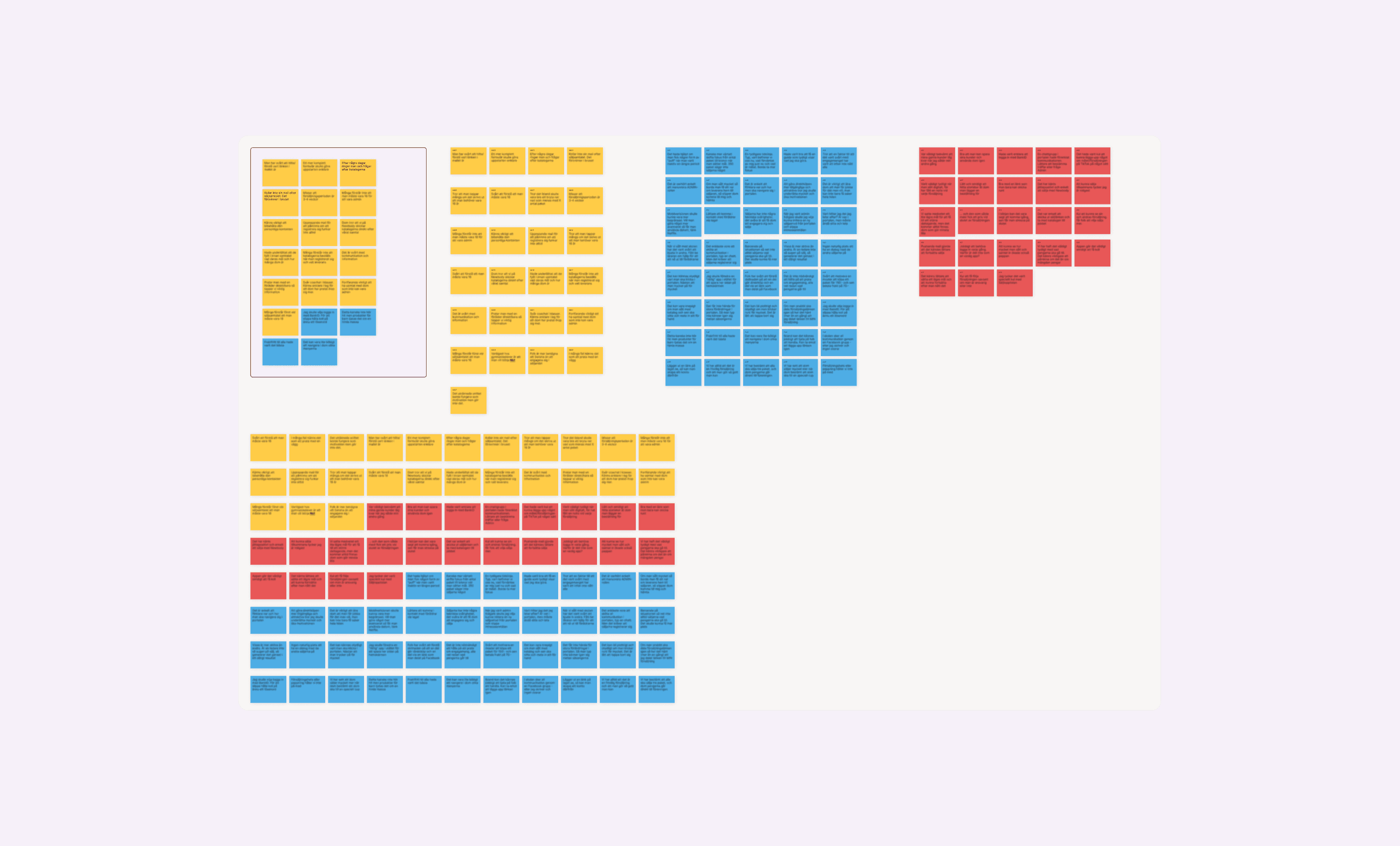
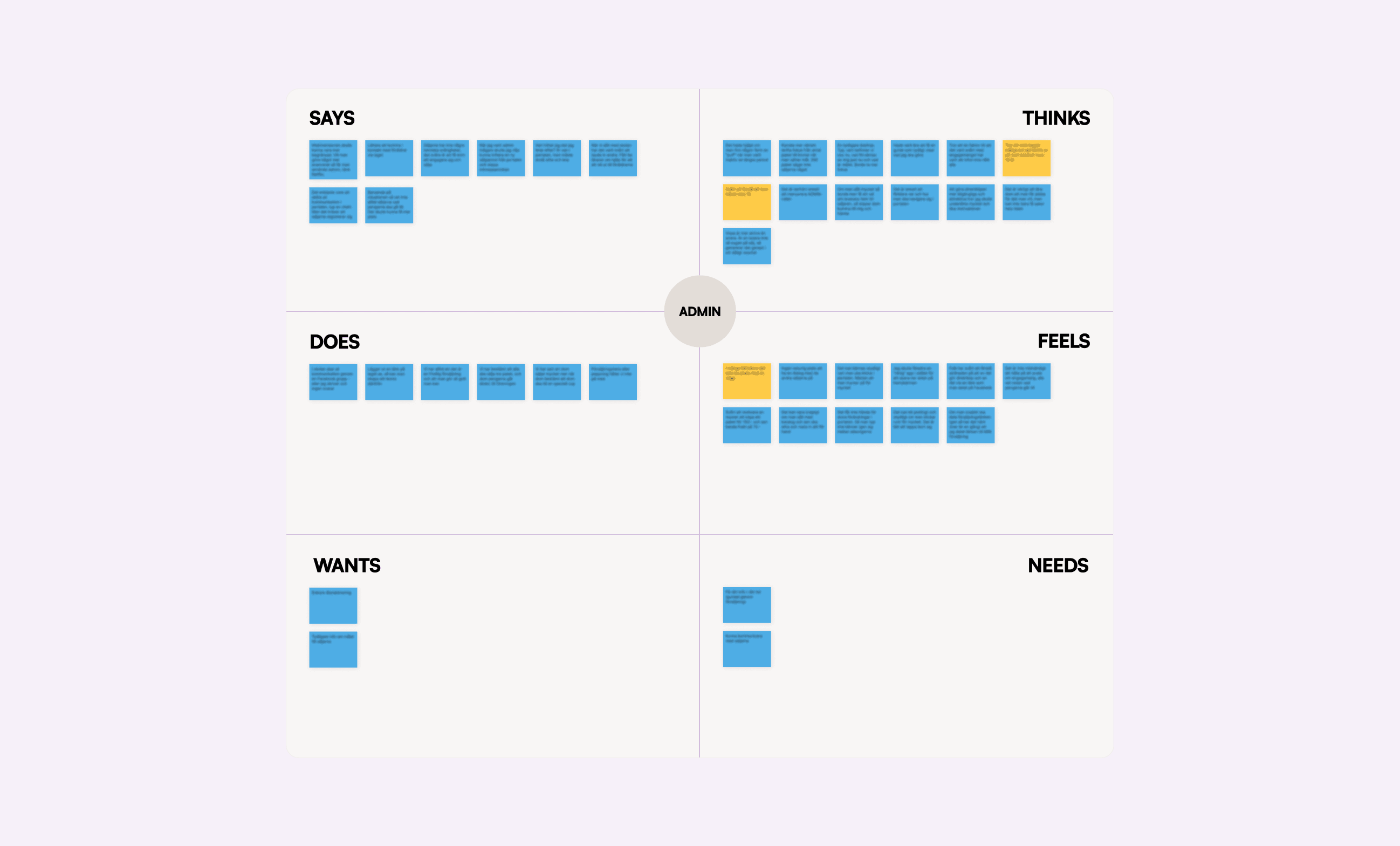
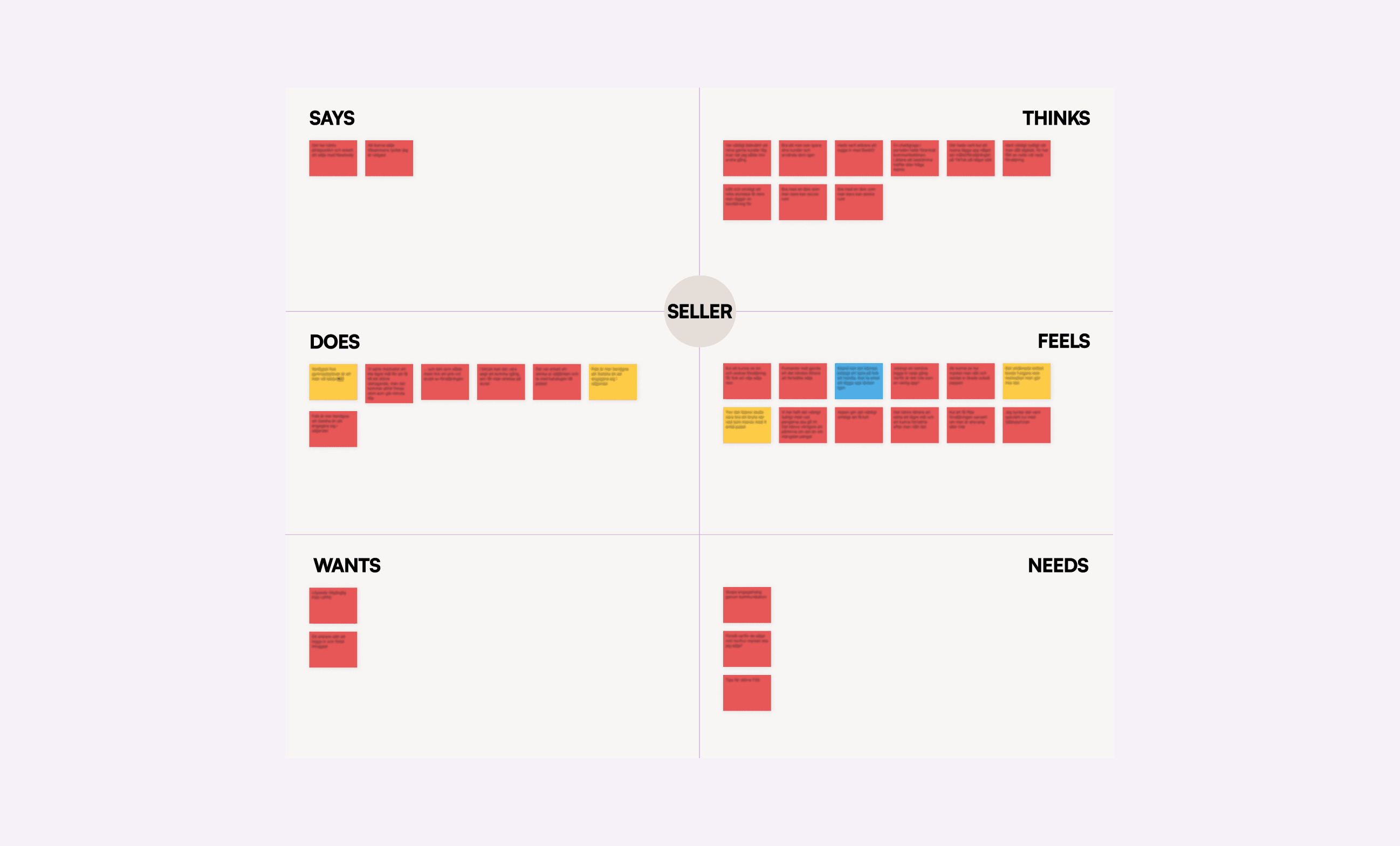
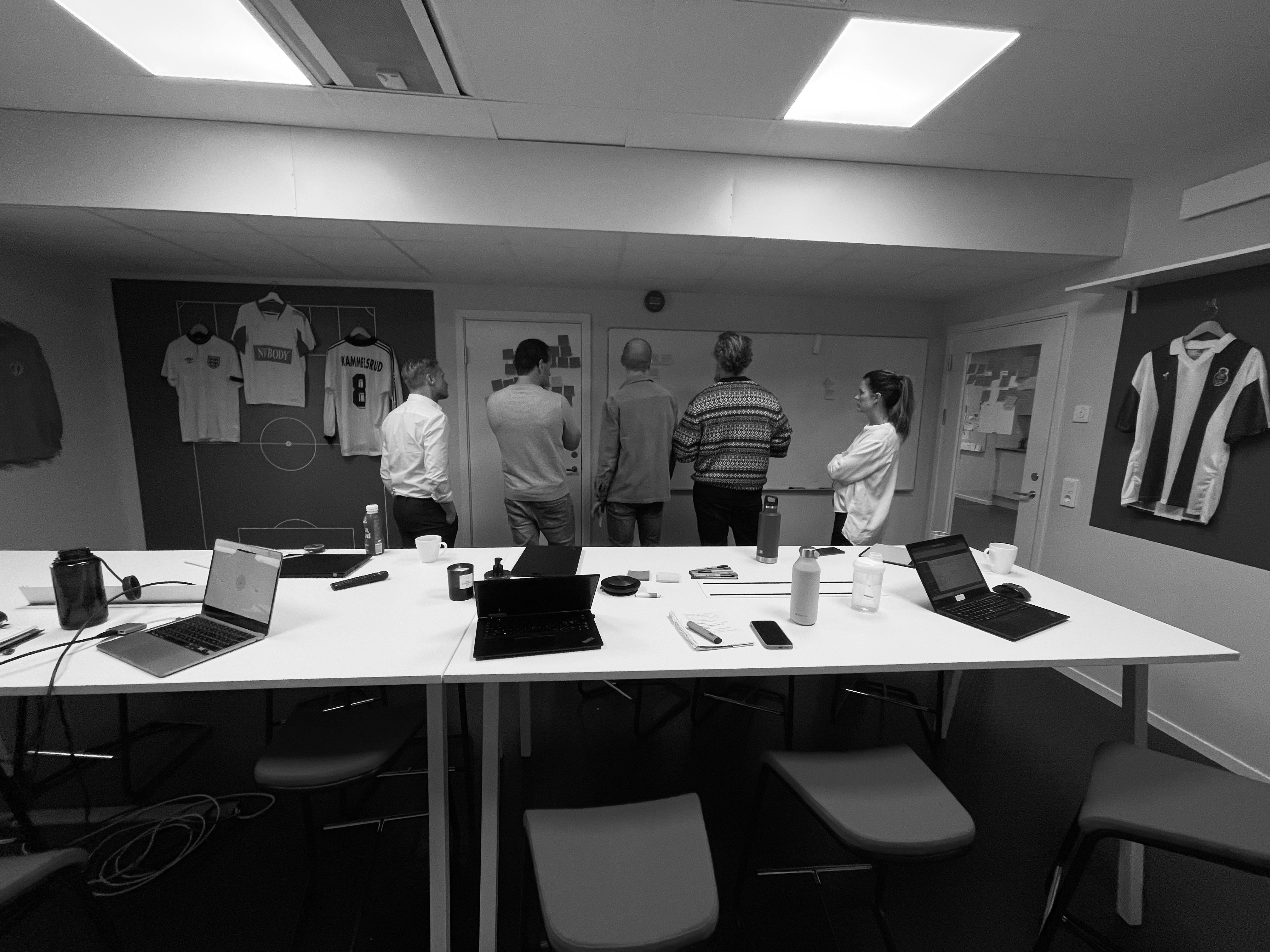
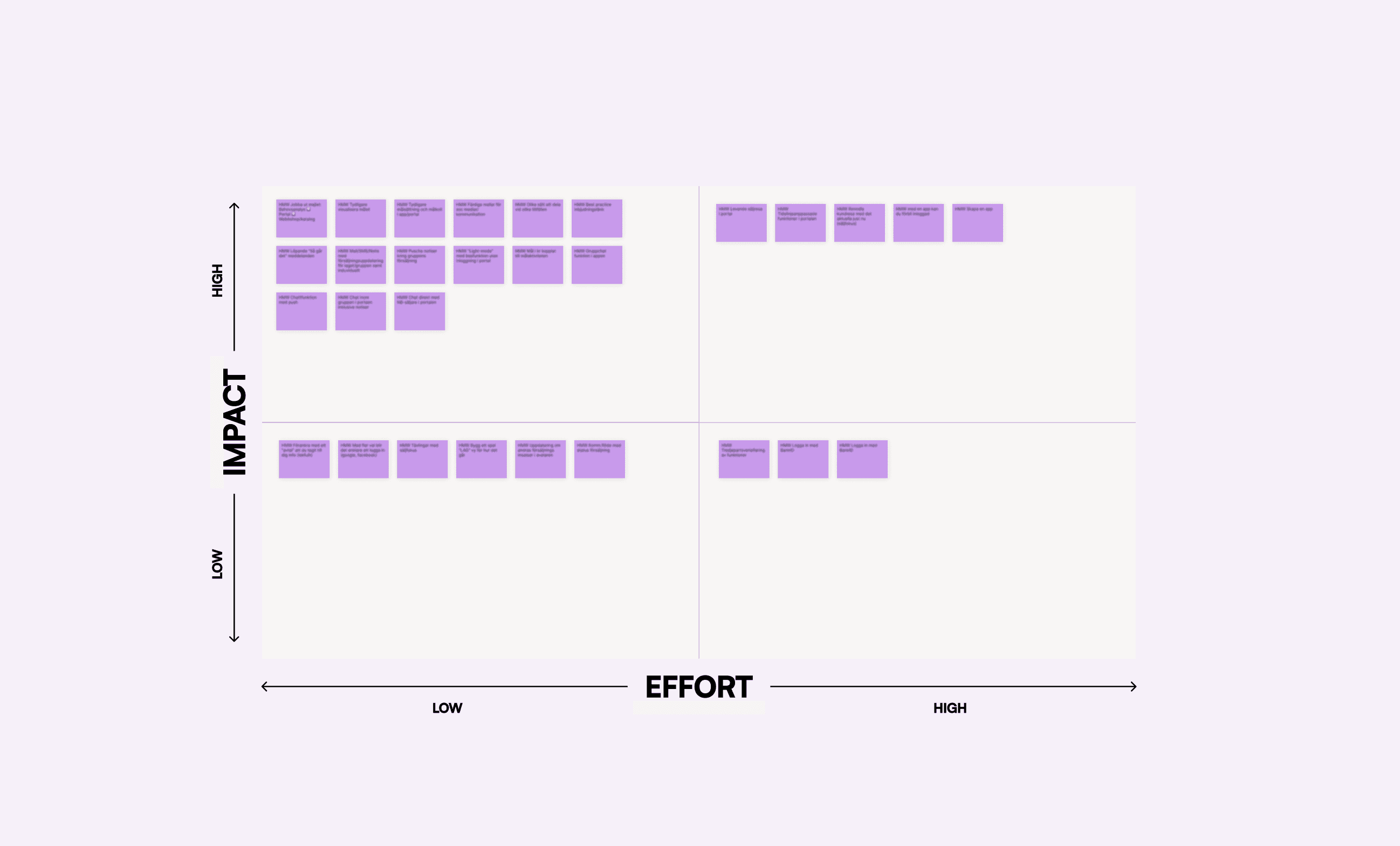
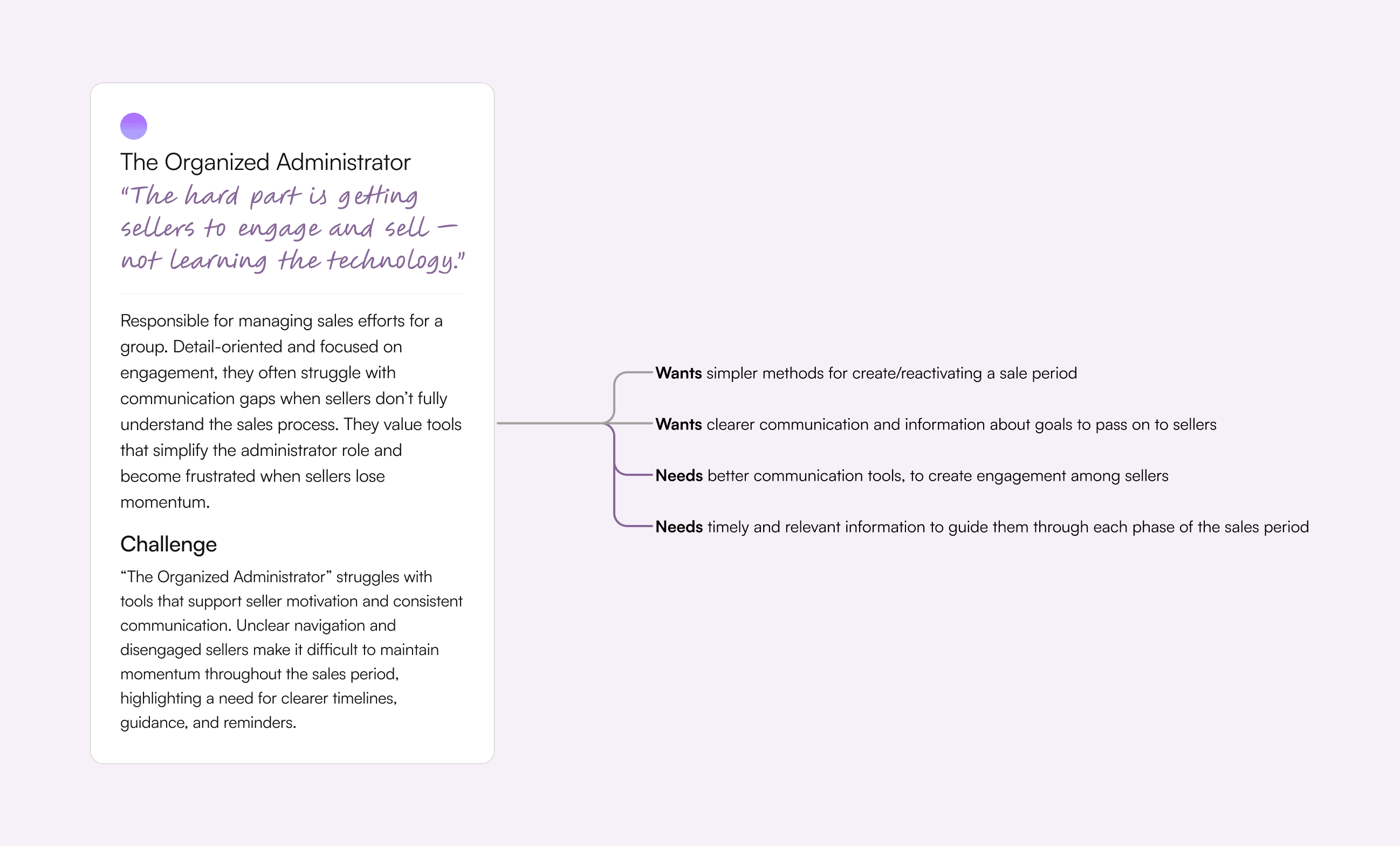
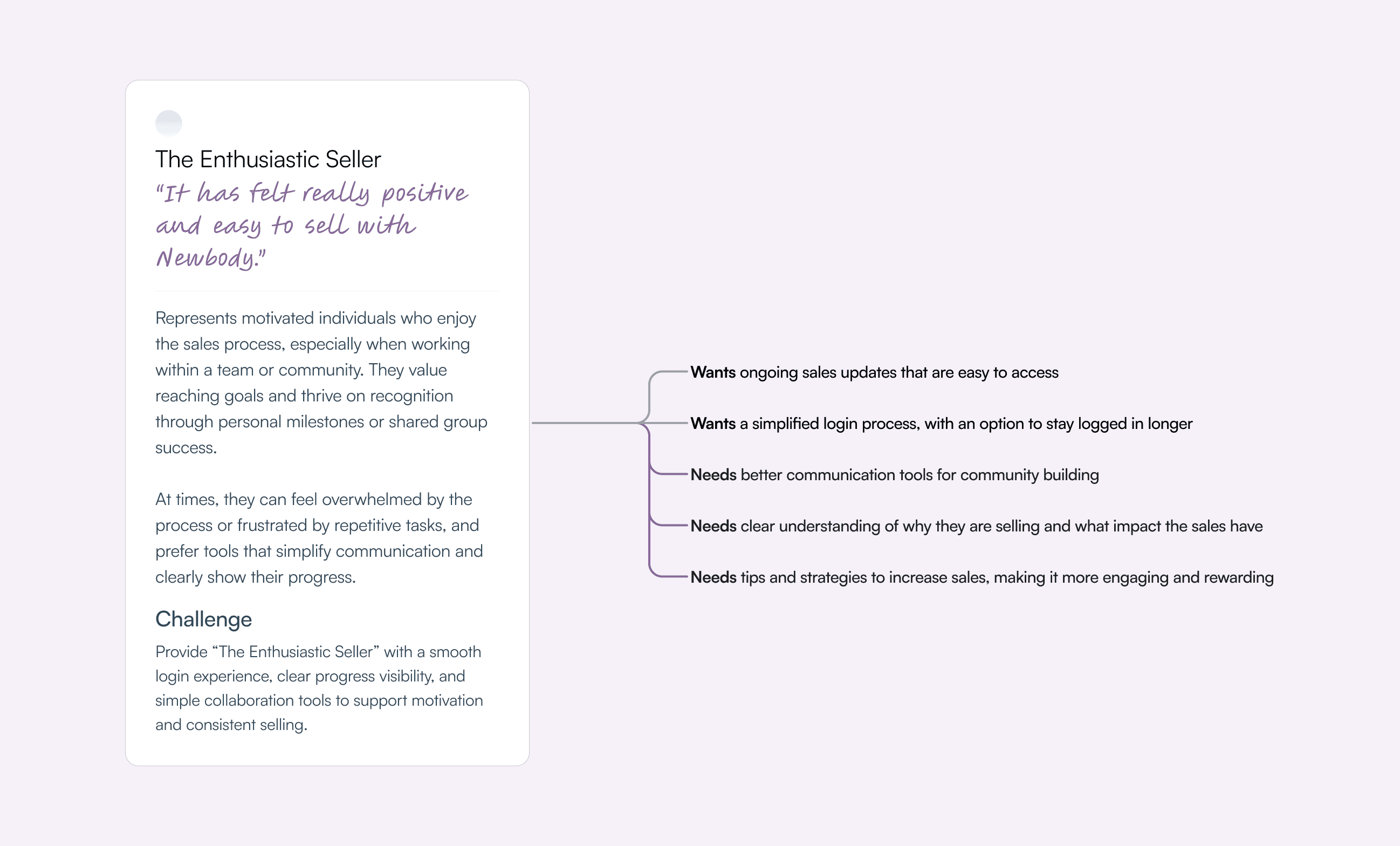
The goal of this project was to increase user engagement throughout the sales process by identifying user needs and pain points, and to explore opportunities for improving the experience for both users and the business. While the organization had experience with its users, this knowledge was fragmented and largely undocumented, making it difficult to align decisions or reason about priorities. I worked as a UX Designer responsible for planning and conducting user research in support of the project goal. The project ran over approximately eight weeks and focused on surfacing meaningful patterns and supporting alignment, rather than validation or delivery. The work began with qualitative interviews conducted with both internal stakeholders and external users actively participating in sales campaigns. Internal interviews surfaced assumptions and mental models, while external interviews focused on how sellers and administrators experienced the sales process and supporting tools in practice. Insights from the interviews were synthesized into two personas representing the primary roles in the system: seller and administrator. These personas were deliberately scoped to reflect the most impactful parts of the sales process. Administrators manage the entire sales cycle, while sellers engage more episodically and rely heavily on clarity, motivation, and progress feedback. To build shared understanding, interview insights were mapped collaboratively to the personas during a facilitated workshop. Building on this foundation, insights were translated into opportunity statements and explored using an impact-versus-effort framework. Rather than defining solutions, the exercise supported discussion around trade-offs and direction.
The goal of this project was to increase user engagement throughout the sales process by identifying user needs and pain points, and to explore opportunities for improving the experience for both users and the business. While the organization had experience with its users, this knowledge was fragmented and largely undocumented, making it difficult to align decisions or reason about priorities. I worked as a UX Designer responsible for planning and conducting user research in support of the project goal. The project ran over approximately eight weeks and focused on surfacing meaningful patterns and supporting alignment, rather than validation or delivery. The work began with qualitative interviews conducted with both internal stakeholders and external users actively participating in sales campaigns. Internal interviews surfaced assumptions and mental models, while external interviews focused on how sellers and administrators experienced the sales process and supporting tools in practice. Insights from the interviews were synthesized into two personas representing the primary roles in the system: seller and administrator. These personas were deliberately scoped to reflect the most impactful parts of the sales process. Administrators manage the entire sales cycle, while sellers engage more episodically and rely heavily on clarity, motivation, and progress feedback. To build shared understanding, interview insights were mapped collaboratively to the personas during a facilitated workshop. Building on this foundation, insights were translated into opportunity statements and explored using an impact-versus-effort framework. Rather than defining solutions, the exercise supported discussion around trade-offs and direction.
The goal of this project was to increase user engagement throughout the sales process by identifying user needs and pain points, and to explore opportunities for improving the experience for both users and the business. While the organization had experience with its users, this knowledge was fragmented and largely undocumented, making it difficult to align decisions or reason about priorities. I worked as a UX Designer responsible for planning and conducting user research in support of the project goal. The project ran over approximately eight weeks and focused on surfacing meaningful patterns and supporting alignment, rather than validation or delivery. The work began with qualitative interviews conducted with both internal stakeholders and external users actively participating in sales campaigns. Internal interviews surfaced assumptions and mental models, while external interviews focused on how sellers and administrators experienced the sales process and supporting tools in practice. Insights from the interviews were synthesized into two personas representing the primary roles in the system: seller and administrator. These personas were deliberately scoped to reflect the most impactful parts of the sales process. Administrators manage the entire sales cycle, while sellers engage more episodically and rely heavily on clarity, motivation, and progress feedback. To build shared understanding, interview insights were mapped collaboratively to the personas during a facilitated workshop. Building on this foundation, insights were translated into opportunity statements and explored using an impact-versus-effort framework. Rather than defining solutions, the exercise supported discussion around trade-offs and direction.

Outcomes and reflection
The project resulted in two research-backed personas representing sellers and administrators, along with a shared map of opportunity areas grounded in user insights. Together, these artifacts helped align the team around user needs, reduced reliance on assumptions, and provided a clearer foundation for future prioritization discussions. Rather than converging on specific solutions, the work established direction and language for reasoning about impact and trade-offs under real constraints. With more time, this work would have benefited from validating assumptions identified during opportunity mapping and explicitly linking them to measurable business outcomes. Within the given timeframe, focusing on synthesis and alignment proved valuable and reinforced the importance of using research artifacts not as deliverables, but as shared lenses for decision-making and future direction.
The project resulted in two research-backed personas representing sellers and administrators, along with a shared map of opportunity areas grounded in user insights. Together, these artifacts helped align the team around user needs, reduced reliance on assumptions, and provided a clearer foundation for future prioritization discussions. Rather than converging on specific solutions, the work established direction and language for reasoning about impact and trade-offs under real constraints. With more time, this work would have benefited from validating assumptions identified during opportunity mapping and explicitly linking them to measurable business outcomes. Within the given timeframe, focusing on synthesis and alignment proved valuable and reinforced the importance of using research artifacts not as deliverables, but as shared lenses for decision-making and future direction.
The project resulted in two research-backed personas representing sellers and administrators, along with a shared map of opportunity areas grounded in user insights. Together, these artifacts helped align the team around user needs, reduced reliance on assumptions, and provided a clearer foundation for future prioritization discussions. Rather than converging on specific solutions, the work established direction and language for reasoning about impact and trade-offs under real constraints. With more time, this work would have benefited from validating assumptions identified during opportunity mapping and explicitly linking them to measurable business outcomes. Within the given timeframe, focusing on synthesis and alignment proved valuable and reinforced the importance of using research artifacts not as deliverables, but as shared lenses for decision-making and future direction.
Have a look at my other projects
Have a look at my
other projects
Contact
Let's work together
Contact
Let's work together
Contact